
WhatsApp:
+86 18866361895
WhatsApp:
+86 18866361895
Function Difference Analysis of Yuntang Soil Heavy Metal Detectors by IndustryProduct Selection Q&A1. Q: Matching logic of selected models and core demands for township agricul···
 在线咨询
在线咨询
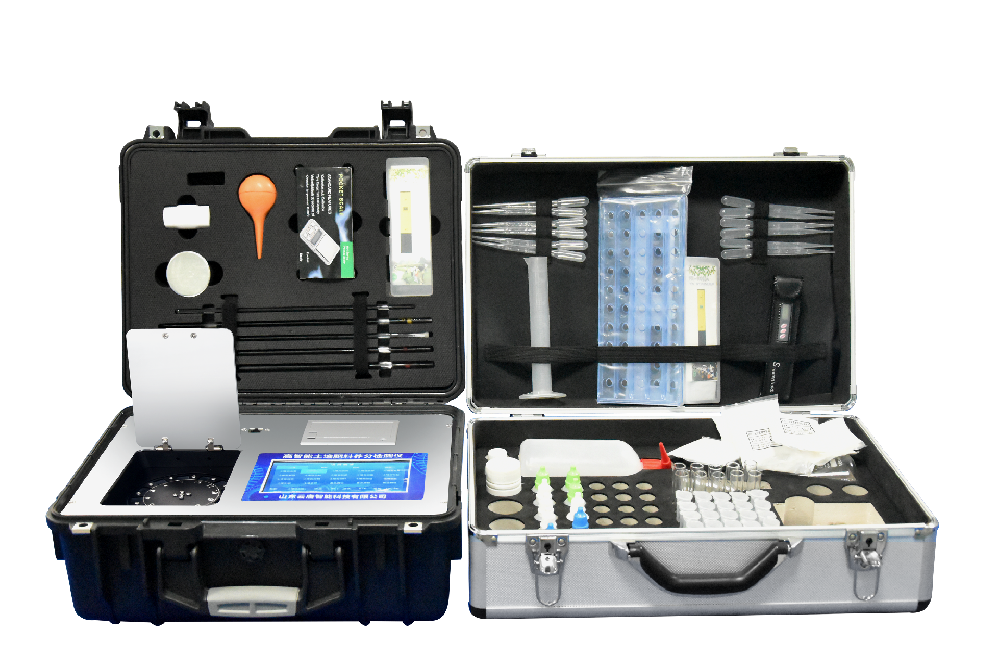
Function Difference Analysis of Yuntang Soil Heavy Metal Detectors by Industry
1. Q: Matching logic of selected models and core demands for township agricultural promotion industry A: The core demands of township agricultural stations are batch soil surveys of contiguous farmland and mobile field sampling with data archiving capabilities. YT-ZSB (24600 RMB) is the preferred general model with balanced procurement cost and complete supporting functions. The 12-position rotary cell realizes synchronous testing of multiple soil samples to improve the efficiency of large-area surveys. Four-wavelength stable light sources meet the national standard testing demands of conventional farmland heavy metals, and embedded preprocessing videos help novice staff get started quickly. A 10-hour lithium battery supports vehicle power supply for village sampling without mains power, and WiFi cloud upload and basic GPS coordinate recording complete annual farmland risk filing. Low-cost YT-TR01 can only be selected for sporadic single-plot sampling with limited budgets, and customized mine, law enforcement and laboratory models carry redundant functions for agricultural stations, leading to unnecessary budget waste.
2. Q: Model selection logic for heavy metal monitoring of large-scale fruit and vegetable planting bases A: Large planting bases need regular batch soil detection to control raw material safety, and YT-ZSB is the matching general model. The 12-position cell can process 12 samples synchronously, and five heavy metal combined testing can be finished within one hour to meet monthly orchard inspection demands. AC and DC dual power supply adapts both greenhouses and open fields, and test data can be exported via USB or wireless to be integrated into internal planting ledgers. The system automatically compares national standards to mark over-standard soil, guiding irrigation and fertilization adjustment in advance. Only planting enterprises with qualification to issue third-party test reports need to upgrade to YT-TR60, and ordinary internal self-inspection can adopt YT-ZSB to balance cost and performance.
3. Q: Exclusive matching advantages of YT-TR24 for ecological environment law enforcement industry A: The core pain point of environmental law enforcement is that on-site evidence data cannot be tampered, and sampling coordinates need to be retained for data synchronization with higher-level supervision platforms. YT-TR24 retains all 12-channel basic hardware of YT-ZSB, and adds exclusive GPRS directional transmission modules to push encrypted test data to regional environmental backends. The system locks original numerical data to avoid artificial modification, automatically classifies pollution levels, and legal receipts compulsively print GPS coordinates and law enforcement serial numbers. Offline encrypted cache prevents loss of evidence records when signals are disconnected, forming complete electronic and paper evidence chains for soil pollution law enforcement. Institutions only conducting internal soil surveys without law enforcement qualification do not need to purchase this customized model with extra costs.
4. Q: Exclusive industrial value of YT-TRX07 for non-ferrous metal mine pollution monitoring A: Mine sampling points are scattered without stable mains power supply, and soil heavy metal concentration of tailings is high. YT-TRX07 equips thickened 12-hour lithium batteries to support all-day sampling in mountain mining areas without electricity. The thickened IP65 shockproof and waterproof shell adapts gravel and rain mining environments, and optimized GPS modules precisely bind coordinates of tailing pollution points. Exclusive digestion programs for tailings and industrial wastewater are embedded, and offline storage capacity is expanded to store thousands of pollution records in signal-free mountain areas, which can be synchronized to the cloud after returning to factories. The model is exclusively customized for long-term mobile pollution tracing of mines, and farmland monitoring scenarios do not need these outdoor upgraded configurations.
5. Q: Rigorous procurement demands of YT-TR60 for third-party testing laboratories A: Third-party testing institutions need to issue quantitative test reports with legal validity. YT-TR60’s upgraded high-precision optical assembly controls linear error within the national standard limit, and expansion ports are reserved for multiple heavy metal testing items. Triple data backup of local machine, USB and cloud servers avoids loss of experimental data, and three-level access authorities for testing, review and audit meet laboratory quality control requirements. Matching complete digestion consumable kits are delivered, and the machine can connect external printers to output standardized PDF reports. This model is only necessary for institutions with official reporting qualifications, and agricultural and mining enterprises only requiring semi-quantitative screening do not need to bear the high procurement cost.
6. Q: Matching scenarios of YT-TRB and YT-TRC for free soil screening at agricultural supply stores A: Agricultural supply stores only carry out rough qualitative screening for visiting farmers without batch testing or official filing demands. YT-TRB (300 RMB) is a single-channel color comparison device without electronic screens, judging lead and cadmium content via printed color cards. YT-TR01 (3200 RMB) with simple small screens can output approximate numerical values for scattered farmers with single-plot planting demands. Both models must work under fixed mains power without lithium batteries, wireless transmission and printing functions, only serving as store customer attraction tools, unable to be applied to standardized farmland surveys, law enforcement sampling and laboratory testing work.
1. Q: Matching degree of YT-ZSB standard functions to farmland survey demands of agricultural stations A: YT-ZSB’s 12-position rotary cell realizes synchronous testing of multiple soil samples, greatly shortening the time cost of large-area farmland surveys. Four-wavelength long-life cold light sources meet the national standard testing demands of five conventional farmland heavy metals. The embedded preprocessing video reduces the training cost of grassroots staff, and the built-in lithium battery and vehicle power supply support all-day sampling in villages without mains power. GPS coordinate recording and wireless cloud upload facilitate annual farmland risk filing, and the built-in printer outputs complete traceable soil monitoring receipts. There are no redundant customized modules for mines and law enforcement, making it the cost-effective mainstream model for agricultural stations. Low-cost single-channel devices lack batch testing and data traceability functions, unable to complete annual contiguous farmland surveys efficiently.
2. Q: Why standard YT-ZSB functions fully meet self-inspection demands of fruit and vegetable bases without high-precision models A: Fruit and vegetable bases only conduct internal semi-quantitative screening of soil without issuing official external test reports. YT-ZSB’s test accuracy meets the demand of controlling planting raw material safety, and the 12-channel synchronous testing function improves the efficiency of monthly orchard inspections. AC and DC dual power supply adapts both greenhouses and open field sampling, and test data can be exported via USB to be integrated into internal planting management ledgers. The system automatically identifies over-standard soil to adjust irrigation and fertilization plans in a timely manner. High-precision laboratory models carry redundant triple backup and three-level authority functions, leading to unnecessary budget increase for planting enterprises without reporting demands.
3. Q: Core value of encrypted storage module of YT-TR24 for environmental law enforcement industry A: Non-tamperable original test data is the basic compliance requirement of environmental law enforcement. YT-TR24’s built-in encrypted storage module locks all sampling records to avoid artificial deletion or modification, and the exclusive GPRS module pushes data to dedicated regulatory backends for unified management. The system automatically marks over-standard pollution levels, and printed legal receipts carry complete GPS and operator information to form traceable evidence chains. Offline encrypted cache prevents loss of on-site evidence when signals are disconnected. General planting bases without regulatory docking demands cannot make use of this encrypted transmission function, so it is unnecessary to pay extra for the customized model.
4. Q: Exclusive outdoor supporting value of YT-TRX07 for mine pollution monitoring industry A: Mine fieldwork features scattered sampling points, no stable power supply and high concentration of heavy metal pollutants in tailings. YT-TRX07’s thickened lithium battery realizes all-day sampling in mountain areas without mains power, and the thickened shockproof and waterproof shell avoids equipment damage caused by gravel and rain. Optimized GPS precisely records coordinates of each pollution point, and exclusive digestion programs for tailings and wastewater simplify sample pretreatment work. Expanded offline storage stores a large number of sampling records in signal-free mountain areas for batch synchronization later. These outdoor customized configurations only generate practical value for long-term mine pollution tracing, and ordinary farmland monitoring does not need these upgrades.
5. Q: Compliance significance of high-precision quantitative functions of YT-TR60 for third-party labs A: Official test reports issued by third-party institutions must meet national quantitative error standards. YT-TR60’s upgraded optical system controls linear error within the limit specified by national standards, and expansion ports support multiple heavy metal testing items. Triple data backup avoids irreversible loss of experimental raw data, and three-level access authorities standardize laboratory quality control processes. The machine can output standardized PDF archived reports that meet metrological certification requirements. These high-precision and quality control supporting modules are indispensable for institutions with reporting qualifications, and agricultural and mining enterprises only requiring internal screening do not need to bear the high procurement cost.
6. Q: Low-cost simple models only apply to store customer attraction scenarios A: YT-TRB and YT-TR01 have no multi-channel synchronous testing, four-wavelength automatic calibration, wireless cloud and GPS modules. They cannot generate traceable printed receipts or permanent data archives, only realizing rough qualitative judgment of lead and cadmium under fixed mains power. They are only suitable for agricultural stores to attract visiting farmers with free preliminary screening services, unable to meet the standardized operation demands of farmland surveys, environmental law enforcement and laboratory testing in terms of efficiency and compliance.
1. Q: Standardized contiguous farmland survey operation flow of YT-ZSB for agricultural stations A: Fully charge the lithium battery before going to the field or connect vehicle power supply. Log into the agricultural staff account and open the embedded preprocessing video to digest 12 groups of village soil samples synchronously. After color development, place cuvettes into the rotary cell and start five-item combined testing. The machine automatically marks over-standard plots by comparing national standards, and GPS can be activated to bind sampling coordinates of each village. After sampling, upload data to the agricultural cloud in batches via WiFi or print monitoring receipts on site. All operation steps are guided by Chinese pop-up windows for novice staff to master quickly. Low-cost single-channel devices require repeated cyclic testing for large-area surveys, greatly increasing manual workload without coordinate recording and batch upload functions.
2. Q: Monthly self-inspection operation flow of fruit and vegetable bases with YT-ZSB A: Connect the machine to mains power or lithium battery in greenhouses, and digest soil samples of each greenhouse partition synchronously. After testing, the system automatically judges whether heavy metals exceed standards. Test data can be exported via USB to be integrated into the base’s planting management ledger, and irrigation and fertilization schemes can be adjusted according to over-standard results. There is no need to turn on GPS positioning and regulatory data push functions for internal self-inspection, simplifying operation steps compared with law enforcement and mine models. The whole flow focuses on batch screening and internal ledger archiving, fully matching the daily production control demands of planting bases.
3. Q: Exclusive on-site evidence collection operation flow of environmental law enforcement YT-TR24 A: Connect vehicle power supply or lithium battery for field work, log into the dedicated law enforcement administrator account and turn on GPS to lock pollution plot coordinates before sample digestion. Conduct 12-channel synchronous testing of soil and irrigation water samples, and the system highlights over-standard data in red. All evidence records are encrypted to avoid modification, and traceable legal receipts with QR codes can be printed on site. After fieldwork, push all records to regional environmental supervision backends via GPRS. The machine embeds national standard pollution classification thresholds to automatically divide pollution degrees, forming complete on-site sampling and evidence filing flow for law enforcement work.
4. Q: Optimized sampling operation flow of YT-TRX07 for mine pollution sites A: Fully charge the thickened lithium battery before entering mountain mining areas, create exclusive storage groups for tailing samples after power-on, and turn on high-precision GPS to record coordinates automatically. Digest tailings, surrounding soil and irrigation wastewater samples synchronously and start multi-metal testing. When there is no 4G signal in remote mountain areas, all records are stored locally, and data can be synchronized to the cloud after returning to the factory. Exclusive automatic dilution programs for high-concentration pollutants avoid manual numerical conversion, and the thickened shell can work normally under gravel and rain without extra protective packaging.
5. Q: Standardized quality control operation flow of YT-TR60 for third-party labs A: Log into the three-level administrator account and input complete test commission information before sample digestion. Place processed cuvettes into the high-precision rotary cell and start quantitative testing. The four-wavelength system automatically cycles calibration to eliminate optical drift during long-term testing. After detection, data can be backed up in three ways, and standard PDF reports can be exported to external printers. Reviewers can call up original absorbance curves to recheck test results, and testing items can be expanded according to experimental demands. The whole set of operations strictly complies with laboratory metrological certification quality control standards.
6. Q: Simple screening operation flow of YT-TRB for agricultural stores A: Connect the machine to household mains power, conduct simplified digestion on soil samples provided by farmers, and pour developed liquid into matching cuvettes. Compare liquid color with printed standard color cards on the shell to roughly judge lead and cadmium levels. There is no electronic digital display, printing or data storage function. Staff can only orally inform farmers of preliminary screening results without generating any archived test records, unable to be applied to official standardized sampling work of farmland and regulatory departments.
1. Q: Tiered daily and monthly maintenance rules of YT-ZSB for agricultural fieldwork A: After daily field sampling, cut off power and wipe the 12-position rotary cell and optical lenses with anhydrous ethanol to remove residual digestion liquid. Erase dust on touch screens and communication interfaces, plug dust-proof plugs and wipe shell mud before storing in a dry place. Monthly maintenance includes running the one-click light source calibration program, cleaning printer paper scraps, completing a full charge-discharge cycle of the lithium battery and backing up monthly data via USB. Check the aging of shell sealing strips every week. Standard tiered maintenance keeps the long-term test accuracy of the 100,000-hour light source stable, and low-cost single-channel devices lack automatic calibration functions, leading to continuous optical drift caused by long-term field pollution.
2. Q: Moisture-proof maintenance plan of YT-ZSB in high-humidity greenhouse environments of fruit and vegetable bases A: Wipe water vapor on the shell and cell after daily greenhouse testing, and place desiccant inside the storage bag. Run the light source calibration program every month, and complete regular charge-discharge cycles of the lithium battery. Back up greenhouse partition test data via USB every half month. The machine’s sealing strips need to be inspected regularly to avoid water vapor penetrating internal circuits in high-humidity greenhouses. There is no need for mine-specific dust removal and law enforcement encrypted data backup maintenance steps, and the maintenance flow is simpler and more targeted for planting greenhouse scenarios.
3. Q: Special encrypted data maintenance of YT-TR24 for law enforcement equipment A: Wipe residual digestion liquid in the rotary cell after daily law enforcement sampling, and clear soil dust on communication interfaces before plugging dust-proof plugs. Back up encrypted evidence records via USB every half month to avoid loss of on-site evidence caused by equipment failure. Run full-channel light calibration every month, and calibrate the built-in clock regularly to ensure the time on legal receipts is accurate. Inspect the waterproof rubber strips of the shell monthly to prevent water vapor damage during outdoor work. Regular encrypted data backup is the exclusive core maintenance step of law enforcement models to ensure the integrity of evidence archives.
4. Q: Special maintenance plan of YT-TRX07 under high-pollution mine environments A: Thoroughly clean residual high-concentration tailing digestion liquid in the cell after daily mine sampling to prevent optical component corrosion. Wipe rain and mineral dust on thickened waterproof strips with soft cloth, and place desiccant inside storage bags for humid mountain storage. Execute full-channel light calibration every two weeks, and complete full charge-discharge cycles of the thickened lithium battery every two months. Back up all mine sampling records via USB every half month to avoid data loss. Inspect the shockproof shell after bumping on gravel and replace damaged sealing strips timely.
5. Q: Monthly professional maintenance flow of high-precision YT-TR60 in laboratory environments A: Wipe all cuvettes and optical lenses with anhydrous ethanol after daily laboratory testing. Execute two rounds of light source calibration every month, and recheck linear and repeatability errors with standard chemical solutions. Back up all experimental data via USB and cloud servers simultaneously every month. The administrator account can clean invalid test commission records regularly. Place the machine in a constant-temperature laboratory to avoid optical drift caused by temperature fluctuations, and only use special lens cloths to wipe optical components to prevent scratches.
6. Q: Low-cost daily maintenance methods of simple YT-TRB for agricultural stores A: Rinse matching cuvettes with clean water after each farmer screening and air-dry them naturally. Wipe simple optical windows with soft cloth to remove fingerprints and stains. Store the machine in a dry agricultural warehouse away from volatile chemical fertilizers. Clean dust on power interfaces every week. There is no automatic optical calibration function, so operators need to compare with standard color solutions every quarter to check judgment deviation. The machine has no rotary transmission or built-in lithium components, with extremely simple maintenance steps and no high-cost regular overhaul demands.

Scan QR code on WeChat