
WhatsApp:
+86 18866361895
Heavy‑metal pollution in river basins originates from industrial discharge, mine wastewater runoff and soil leaching. Large‑scale watershed surveys require screening a huge numbe···
 在线咨询
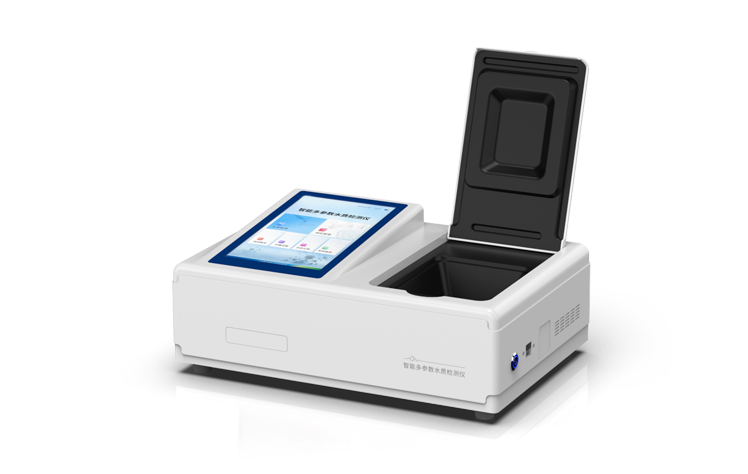
Heavy‑metal pollution in river basins originates from industrial discharge, mine wastewater runoff and soil leaching. Large‑scale watershed surveys require screening a huge number of sampling points. Traditional laboratory instrumental analysis methods such as atomic absorption and inductively coupled plasma mass spectrometry have high accuracy, but they are costly, time‑consuming and low‑throughput, which cannot fully meet the demand for large‑area preliminary investigation. Spectrophotometric rapid heavy‑metal detectors can complete on‑site batch screening at low cost, but they also have inherent application limitations influenced by water matrix interference. This article discusses the practical boundaries and complete quality‑control strategies of YUNTANG YT‑TZL multi‑parameter heavy‑metal detector in river‑basin environmental investigation work.
YT‑TZL water‑quality heavy‑metal detector can detect more than 20 heavy‑metal items including hexavalent chromium, lead, cadmium, arsenic, copper, nickel, zinc and manganese. It runs on Android7.1.1 operating system with a 10.1‑inch color touch screen. Imported high‑brightness LED light source supports automatic light intensity calibration. It is compatible with 10 mm, 30 mm, 50 mm cuvettes and φ16 mm colorimetric tubes. The system supports dilution multiple setting and automatic concentration conversion for high‑concentration samples. It can permanently store up to 8 million groups of test data, supports Excel data export, Wi‑Fi, RJ45 network transmission and QR‑code printing. Optional 6AH lithium‑battery expands the instrument to outdoor mobile‑detection scenarios. Its metrological performances: indication error ≤±5%, repeatability <0.5%, stability <0.5%.
When applied to actual river‑basin water‑body screening, common matrix interferences include high concentration of suspended sediment, humic organic matter, coexisting metal‑ion interference and pH deviation of water samples. These interfering substances may cause absorbance drift and bring deviation to spectrophotometric test results. Therefore, rapid screening results cannot be directly used as arbitration evidence for law‑enforcement. A complete set of quality‑control measures must be implemented during field investigation. First, perform instrument blank calibration before each batch of sample testing. Second, regularly use standard reference solution to verify the validity of calibration curve. Third, for turbid water samples, proper filtration pre‑treatment should be adopted according to method requirements. Fourth, set field blank samples and parallel duplicate samples for every group of sampling points to evaluate test precision. Fifth, collect representative suspicious exceeding‑standard samples and send them to qualified laboratories for confirmatory instrumental analysis.
In the actual river‑basin survey project, YT‑TZL was used for preliminary heavy‑metal screening for dozens of sampling sections. According to the formulated quality‑control specifications, most sampling points can obtain reliable screening data. For individual water‑body samples with complex matrix, obvious deviation occurred between rapid‑test results and laboratory reference values. Through blank control and parallel sample evaluation, these abnormal points were quickly identified and submitted for laboratory re‑verification. As a rapid‑screening device, YT‑TZL is suitable for identifying high‑risk pollution sections in a large watershed, narrowing down the scope of key monitoring, and reducing the workload of laboratory testing. Users must fully recognize its application limitations and strictly implement field quality‑control specifications to avoid misjudgment of pollution status.

Scan QR code on WeChat