
WhatsApp:
+86 18866361895
WhatsApp:
+86 18866361895
Heavy‑metal pollution of industrial wastewater has always been a key focus of environmental supervision. Heavy‑metal elements such as hexavalent chromium, total chromium, lead, c···
 在线咨询
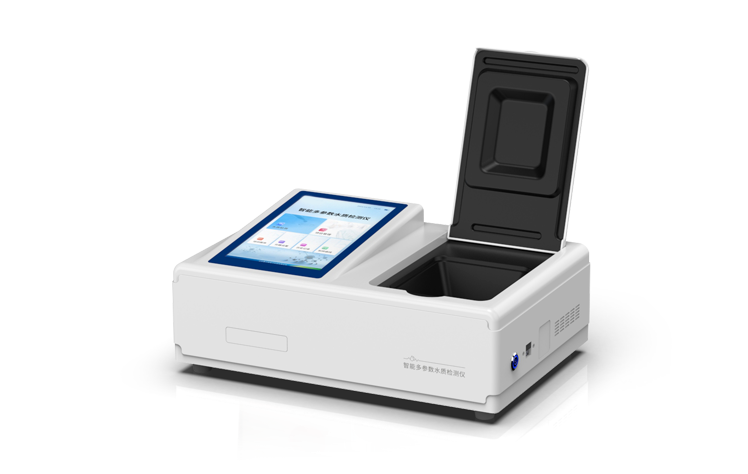
Heavy‑metal pollution of industrial wastewater has always been a key focus of environmental supervision. Heavy‑metal elements such as hexavalent chromium, total chromium, lead, cadmium, arsenic, copper, nickel and manganese have strong biological toxicity. Once discharged beyond standard limits into water environment, heavy metals will accumulate in aquatic organisms and enter food chains, posing long‑term threats to ecological security and human health. Traditional laboratory heavy‑metal analysis mainly relies on atomic absorption or ICP‑MS instruments with high testing cost, complicated sample pretreatment and low sample throughput. Spectrophotometric heavy‑metal rapid‑detecting instruments can realize multi‑item batch screening of wastewater samples with low operating cost, which serves as effective supplementary equipment for enterprise internal quality control and preliminary environmental screening. YUNTANG YT‑TZL multi‑parameter heavy‑metal water analyzer can detect more than 20 kinds of heavy‑metal indexes in wastewater.
This instrument is driven by Android 7.1.1 intelligent operating system, equipped with a 10.1‑inch high‑definition color touch screen, supporting Chinese‑English bilingual operation interface. It adopts imported high‑brightness LED light source with automatic brightness adjustment and calibration function. The precise color‑cell design effectively eliminates detection deviation caused by light‑source inconsistency. Multiple color‑measurement options are available: 10 mm, 30 mm, 50 mm cuvettes and φ16 mm colorimetric tubes, meeting measurement requirements under different sensitivity conditions. The system supports setting dilution multiple, and can automatically calculate the actual concentration of high‑concentration wastewater samples after dilution treatment, avoiding repeated manual calculation mistakes.
Massive local storage supports permanent preservation of up to 8 million groups of detection data. Operators can retrieve historical records rapidly through time screening. Sample naming function in Chinese and English facilitates classification management of different batches of wastewater samples. Communication modules cover Wi‑Fi, RJ45 network port, mobile hotspot and USB export. Test data can be exported as Excel spreadsheet, uploaded to supervision cloud platform, or docked with environmental regulatory department system. Built‑in thermal line printer supports selective content output and QR‑code printing for laboratory file archiving. The standard power supply mode is AC220V mains power, and optional 6AH large‑capacity lithium battery module can be configured for outdoor mobile detection scenarios. Firmware online upgrade function helps continuously optimize instrument performance without returning to factory.
In practical batch‑testing work of industrial wastewater from chemical, papermaking and electroplating enterprises, YT‑TZL was applied for rapid screening of heavy‑metal items. Its indication error ≤±5%, repeatability and stability both less than 0.5%, photochemical drift ≤0.002A within 20 minutes. Partial wastewater samples were selected for comparative verification with standard laboratory instrumental methods. The results indicate that this heavy‑metal detector can accurately reflect the heavy‑metal pollution level of wastewater samples. It is worth noting that rapid spectrophotometric screening cannot completely replace confirmatory analysis by precision instrumental methods. When abnormal exceeding‑standard data appears, samples need to be sent to qualified laboratories for re‑verification. YT‑TZL is suitable for sewage‑treatment plants, industrial enterprises, environmental monitoring agencies to conduct daily heavy‑metal screening of production wastewater and domestic sewage.

Scan QR code on WeChat