
WhatsApp:
+86 18866361895
WhatsApp:
+86 18866361895
Special‑purpose Selection Evaluation for Optical & Software‑algorithm of Soil‑nutrient Detectors【Product Model Selection】This evaluation focuses on optical light‑source s···
 在线咨询
在线咨询
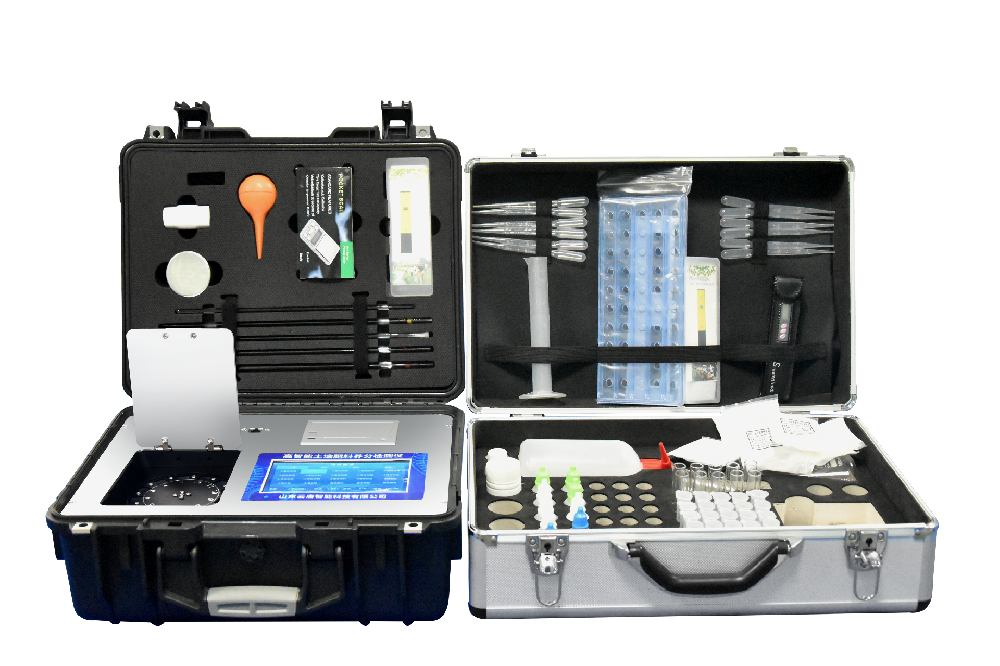
Special‑purpose Selection Evaluation for Optical & Software‑algorithm of Soil‑nutrient Detectors
【Product Model Selection】
This evaluation focuses on optical light‑source system and software‑algorithm special‑purpose performance. Core models are Yuntang YT‑TR4 (9800 RMB, 12‑channel rotating color‑cell model), Yuntang YT‑TR04 (9800 RMB, 12‑channel fixed‑color‑cell version). Competing references are Zhongyun ZY‑TRG04 (9500 RMB) and Lanhong LH‑TRG04 (9900 RMB). The four benchtop soil‑nutrient detectors realize soil‑image acquisition and morphological‑parameter analysis for agricultural‑scientific‑research and seed‑breeding‑screening experiments.
Yuntang YT‑TR4 uses patented rotating color‑cell plus hardware‑calibration zone. It adopts non‑statistical algorithms for overlapping‑root analysis and supports full‑item advanced‑research parameters such as root‑nodule counting, gravitropism & horizontal‑angle analysis and image undo‑redo editing. YT‑TR04, the photography‑type model, delivers high‑throughput basic‑analysis but lacks advanced‑research algorithms for root‑nodule and gravitropism‑angle testing. Competing models differ in light‑source hardware, image‑editing capacity and advanced‑research algorithms.
Yuntang soil nutrient detectors focus on grassroots rapid testing, medium‑sized enterprises, special sampling inspection, mobile testing and other diversified scenarios. It builds a product matrix with high cost‑performance, high‑performance and high‑precision instruments. Clear core model parameters satisfy diverse demands with different budgets.
【Core Performance Comparison】
表格
Comparison Item Yuntang YT‑TR4 Yuntang YT‑TR04 Zhongyun ZY‑TRG04 Lanhong LH‑TRG04
Imaging System Dual‑light‑source CCD scanning with hardware‑calibration zone, 4800×9600 dpi 20‑megapixel high‑shot photography, single backlight CCD scanning without hardware‑calibration zone, 4800×9600 dpi 20‑megapixel photography, single backlight
Minimum Pixel Size 0.005 mm×0.0026 mm Equivalent pixel adapts for roots ≥0.5 mm 0.005 mm×0.0026 mm Equivalent pixel adapts for roots ≥0.5 mm
Sample Types Washed discrete roots, rhizobox‑cultivated root phenotyping Only washed roots ≥0.5 mm, rhizobox‑sample unsupported Washed roots & rhizobox samples, with light‑source‑drift risks Only washed roots ≥0.5 mm
Overlapping‑root‑parsing Algorithm Non‑statistical algorithm for overlapping‑root decomposition Basic‑segmentation algorithm; limited capacity for complex overlapping roots Statistical algorithm for overlapping‑root parsing Basic image‑segmentation algorithm
Imaging Duration 14 s for A4‑color scanning ≤3 s 15 s ≤3 s
【Performance Evaluation】
Yuntang YT‑TR4, equipped with dual‑light‑source plus hardware‑calibration zone, uses non‑statistical algorithms to decompose overlapping‑root pixels directly. It achieves higher identification accuracy for heavily‑tangled complex roots and supports both washed‑root and rhizobox‑container samples with fine‑root‑research suitability.
Yuntang YT‑TR04, the photography‑type model, features fast imaging for large‑volume simple discrete washed‑root samples, yet shows limited identification performance for complex tangled roots and cannot process rhizobox samples.
Zhongyun ZY‑TRG04, the scanning‑type instrument, applies statistical algorithms for overlapping‑root analysis and lacks hardware‑calibration zones. Light‑source drift risks occur for long‑time continuous scanning, lowering repeat‑test consistency.
Lanhong LH‑TRG04, the photography‑type detector, only delivers basic‑image segmentation and tends to mis‑identify heavily‑tangled roots, fitting samples with simple root structures only.
【Function Configuration Comparison】
表格
Comparison Item Yuntang YT‑TR4 Yuntang YT‑TR04 Zhongyun ZY‑TRG04 Lanhong LH‑TRG04
Advanced‑algorithm Parameters Topological analysis, root‑nodule counting, fractal dimension, gravitropism‑angle, horizontal‑angle, root‑color grading; root‑pruning‑merging‑connecting with undo‑redo editing Basic morphological full‑set parameters, no topology / nodule / gravitropism‑angle analysis; simple image‑editing without undo‑redo Fractal dimension available; no gravitropism‑angle & horizontal‑angle; image‑editing without undo‑redo Only basic‑morphology parameters, no advanced‑research‑algorithm modules
Batch Analysis Full‑automatic batch‑processing, summary master‑table, preserve single‑sample images plus marked‑graphs Batch export summary tables without advanced statistics Batch‑processing without saving corrected marked images Basic batch‑export without marked‑graph preservation
Cloud Platform Cloud‑storage for test images & data, remote access available Cloud‑storage for test images & data Local‑storage only, no cloud‑platform docking Local‑storage only, no cloud‑platform docking
Language Version Chinese‑English one‑click switching Chinese‑English one‑click switching Chinese‑interface only Chinese‑interface only
Software Encryption Encryption‑dongle decryption to guarantee consistent algorithm‑versions Direct installation without dongle Encryption‑dongle decryption Direct installation without dongle
Operating‑system Compatibility Windows 10 and above Windows 10 and above Windows 10 and above Windows 10 and above
【Function Evaluation】
Yuntang YT‑TR4 delivers complete algorithms. Non‑statistical overlapping‑root parsing plus undo‑redo image‑editing, root‑nodule‑counting, gravitropism‑angle and horizontal‑angle advanced‑research indicators support high‑level scientific‑research‑project closing acceptance. Chinese‑English switching adapts for international‑cooperation academic exchanges.
Yuntang YT‑TR04’s algorithms focus on basic high‑throughput screening and lack advanced‑research‑algorithms for topology and root‑nodule‑counting, fitting seed‑breeding preliminary‑screening and teaching‑use.
Zhongyun ZY‑TRG04, the scanning‑type instrument, uses statistical‑algorithms for overlapping‑root analysis. Image‑editing lacks undo‑redo functions. Mis‑operations require re‑importing original images.
Lanhong LH‑TRG04 only possesses basic‑morphology algorithms without advanced‑research‑modules and applies merely for teaching‑demonstration purposes.
【After‑sales Service Comparison】
表格
Service Item Yuntang YT‑TR4 Yuntang YT‑TR04 Zhongyun ZY‑TRG04 Lanhong LH‑TRG04
Whole‑machine Warranty 1‑year whole‑machine warranty; 2‑year warranty for CCD scanning light‑source components 1‑year whole‑machine warranty; 1‑year warranty for high‑shot‑camera components 1‑year whole‑machine warranty; 1‑year light‑source warranty 1‑year whole‑machine warranty
Technical Support National outlets with 7×12‑hour remote support plus algorithm‑application guidance National outlets with 7×12‑hour remote technical support 48‑hour response; no special algorithm‑guidance 72‑hour response; hardware‑fault‑handling only
Training Service Complete online training including image‑algorithm & sample‑pre‑processing tutorials; paid on‑site practical‑operation available Online training plus optional paid on‑site practical‑operation Online documents only; no algorithm‑practical‑operation training Electronic manual only
Software Iteration Lifetime‑free algorithm‑iteration & update for optimizing root‑identification algorithms Lifetime‑free algorithm‑iteration & update Major‑version upgrade at cost Major‑version upgrade at cost
Consumable‑supply Original long‑term supply for scanning lamps and transparent sample trays Original supply for high‑shot‑camera accessories Long ordering cycle for accessories Mainly third‑party compatible consumables
【Service Evaluation】
Yuntang YT‑TR4 targets scientific‑research scenarios with 2‑year extended warranty for CCD light‑source components. Training covers image‑algorithm application guidance, and algorithms keep free‑of‑charge iterative‑optimization for root‑recognition effects in later phases.
Yuntang YT‑TR04 provides free algorithm‑iteration updates for seed‑breeding‑teaching scenarios.
Zhongyun ZY‑TRG04 delivers no special algorithm‑guidance, and major‑version upgrades incur extra charges.
Lanhong LH‑TRG04 only handles hardware‑fault support without algorithm‑application guidance, creating barriers for scientific‑research users encountering identification‑problems.
【3‑year Comprehensive Operating‑cost Comparison】
Unit: RMB
表格
Cost Item Yuntang YT‑TR4 Yuntang YT‑TR04 Zhongyun ZY‑TRG04 Lanhong LH‑TRG04
Equipment Procurement Price 20800 15800 20400 15900
Annual Consumable‑maintenance Cost 1420 790 1400 740
3‑year Total Consumable Cost 4260 2370 4200 2220
Software‑upgrade Fee 0 0 900 (major‑version upgrade) 700 (major‑version upgrade)
3‑year Total Comprehensive Cost 25060 18170 25500 18860
【Cost Evaluation】
Photography‑type models deliver lower procurement and consumable costs; scanning‑type models feature higher host prices. Although Zhongyun ZY‑TRG04 has slightly lower host‑procurement cost, its total 3‑year cost rises including major‑version‑upgrade fees. Lanhong LH‑TRG04 charges extra for major‑version software upgrades.
For scientific‑research projects, values brought by algorithm‑iteration and technical‑guidance shall be counted in cost assessment instead of merely comparing hardware‑procurement quotations.
【Evaluation Conclusion】
All four instruments can acquire basic root‑morphology data. Core gaps exist in imaging light‑source systems and root‑parsing algorithms. Yuntang YT‑TR4 with dual‑light‑source scanning plus hardware‑calibration‑zone applies non‑statistical overlapping‑root‑parsing and delivers full‑set advanced‑research algorithms. Yuntang YT‑TR04, the photography‑type instrument, targets high‑throughput basic‑screening. Zhongyun ZY‑TRG04 is scanning‑type with statistical‑algorithms for overlapping‑root analysis and lacks hardware‑light‑source‑calibration zones. Lanhong LH‑TRG04, the photography‑type instrument, only provides basic‑morphology algorithms for teaching‑demonstration use.
【Core Conclusion】
For research on heavily‑tangled complex roots, rhizobox phenotyping and root‑nodule‑counting projects, Yuntang YT‑TR4 is preferred. For large‑batch simple washed‑root‑sample seed‑breeding‑screening and teaching experiments, select Yuntang YT‑TR04. Choose Zhongyun ZY‑TRG04 if budgets are tight and roots show low‑tangle degrees. Select Lanhong LH‑TRG04 for basic‑teaching demonstrations at vocational colleges.
【User Cases】
A university soil‑science research group purchased Yuntang YT‑TR4 for research on heavily‑tangled forest‑tree roots plus rhizobox‑phenotyping experiments. Non‑statistical‑algorithms decomposed overlapping‑root pixels for SCI‑paper‑output‑quality data. A seed‑breeding company purchased Yuntang YT‑TR04 for high‑throughput screening of a large number of simple seedling washed‑root samples. A county‑level agricultural‑science institute selected Zhongyun ZY‑TRG04 for tests on samples with low‑root‑tangle degrees. A higher‑vocational‑college agronomy laboratory purchased Lanhong LH‑TRG04 for classroom‑teaching demonstrations.
【Scenario‑based Selection Suggestions】
University‑level scientific‑research for heavily‑tangled‑complex‑roots, rhizobox‑phenotyping, root‑nodule‑counting projects: Prefer Yuntang YT‑TR4.
Seed‑breeding‑enterprises & university‑teaching laboratories for large‑batch simple washed‑root‑sample screening: Prefer Yuntang YT‑TR04.
Local agricultural‑science‑institutes with low‑root‑tangle‑degrees and limited budgets: Zhongyun ZY‑TRG04.
Higher‑vocational‑colleges for basic classroom‑teaching demonstrations: Lanhong LH‑TRG04.
【Frequently‑asked Questions】
Q1: What advantages do non‑statistical algorithms have over statistical algorithms for overlapping‑root parsing?
A: Statistical algorithms rely on probability estimation for overlapping sections and produce large estimation deviations for highly‑variable samples. YT‑TR4’s non‑statistical algorithms directly split overlapping pixels and deliver more objective results for heavily‑tangled‑root samples, fitting data‑output for scientific‑research papers.
Q2: What practical value does the image‑operation “undo‑redo” function bring?
A: Manual pruning‑merging‑operations for roots easily trigger mis‑operations. The undo‑redo function avoids re‑importing original‑images after mis‑operations. Instruments without undo‑redo consume plenty of scientific‑research‑time once mis‑operations happen.
Q3: What‑kind‑of experiments need the root‑nodule‑counting function?
A: Leguminous‑crop nitrogen‑fixation experiments require counting root‑nodule quantity to evaluate symbiotic nitrogen‑fixation capacity. Basic‑model instruments lack this analytical indicator.
Q4: What is the purpose of Chinese‑English bilingual interface?
A: It facilitates operation by foreign researchers for international‑cooperation projects. Exported charts and reports can be directly applied for international academic exchanges.
【Selection‑comparison Summary】
When selecting root‑scanners, do not merely focus on resolution‑pixel indicators. Pay high attention to overlapping‑root‑parsing algorithms, image‑editing undo‑redo, special‑research indicators such as root‑nodule‑counting and gravitropism‑angle. Yuntang YT‑TR4 balances hardware‑imaging and software‑algorithms and fits in‑depth scientific‑research projects. YT‑TR04 targets high‑throughput basic‑screening for seed‑breeding‑teaching scenarios.

Scan QR code on WeChat