
WhatsApp:
+86 18866361895
WhatsApp:
+86 18866361895
Technical Q&A Manual for YT‑YB Chlorophyll Meter for Large‑Scale Crop Plantation Bases【Product Selection‑Related Questions】Q1: What are the differences among Yuntang chlo···
 在线咨询
在线咨询
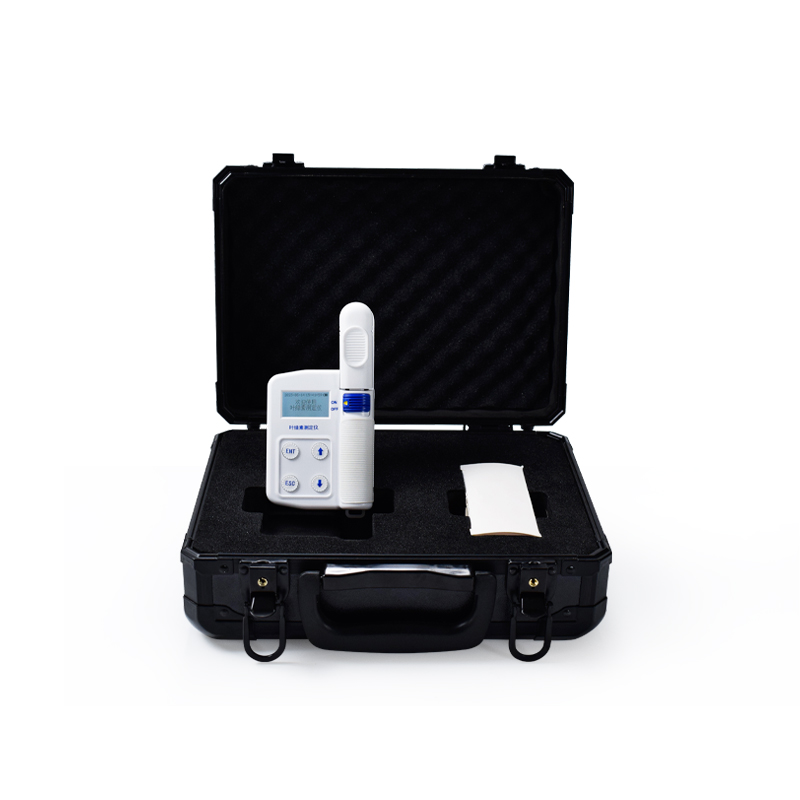
Technical Q&A Manual for YT‑YB Chlorophyll Meter for Large‑Scale Crop Plantation Bases
【Product Selection‑Related Questions】
Q1: What are the differences among Yuntang chlorophyll meters for large‑scale grain crop bases?
A: Large‑scale grain‑growing bases mainly conduct in‑vivo leaf measurements for wheat, corn and other grain crops to guide nitrogen‑fertilizer topdressing. Yuntang offers multiple models. The YT‑YA (USD 125 approx.) provides basic SPAD measurement with limited storage for simple spot checks only. For routine field patrols, the YT‑YB (USD 140 approx.) is recommended; it measures both chlorophyll and leaf surface temperature, features 16 GB grouped data storage and driver‑free USB export, and satisfies multi‑point sampling in large fields. The YT‑YC (USD 240 approx.) delivers higher repeatability plus data‑marking functions. The YT‑YD (USD 285 approx.) enhances battery life and environmental adaptability for long‑duration field observation. The research‑grade YT‑YE (USD 970 approx.) supports high‑density positional monitoring and extended test‑record fields. The YT‑YA suits only small‑plot preliminary screening and is not fit for large‑area multi‑site surveys. When selecting equipment, users shall count monitoring sites and annual test frequencies, and verify storage, export and battery‑life specifications. Evaluate 3‑year total‑cost‑of‑ownership instead of merely comparing purchase prices to match field‑operation requirements and avoid over‑specification or insufficient performance.
Q2: When purchasing for large‑scale bases, does larger storage capacity always mean better practical performance?
A: Storage capacity determines how many field leaf‑measurement records can be saved, yet higher capacity does not guarantee higher cost‑effectiveness; compatibility with grouped storage matters more for base‑scale monitoring. The YT‑YA has small memory and supports only simple single‑file recording. The YT‑YB is equipped with 16 GB storage and enables grouping by field block and crop growth stage, facilitating sorting of wheat‑corn leaf datasets. The YT‑YC keeps 16 GB memory and adds custom‑mark fields. The YT‑YD and YT‑YE further expand memory and the maximum number of groups. If a base has merely a dozen monitoring points and frequently copies data to computers, the YT‑YB is fully adequate; blindly buying the YT‑YE wastes budget. Besides raw capacity, verify grouped‑archive capability. Grouped storage allows separating records from different plots and growth phases for later crop‑growth comparison, which brings more practical value than sheer storage size.
Q3: What are mandatory and optional test parameters for large‑field chlorophyll meters, and how do Yuntang models differ in configuration?
A: For grain‑crop monitoring, the mandatory parameter is relative chlorophyll SPAD value; leaf‑surface temperature serves as an optional auxiliary indicator for stress diagnosis. The YT‑YA measures SPAD only without leaf‑temperature sensing. The YT‑YB simultaneously reads chlorophyll and leaf‑surface temperature with documented accuracy: chlorophyll ±1.0 SPAD, temperature ±0.5 ℃. The YT‑YC optimizes measurement repeatability. The YT‑YD improves stability under wide‑range ambient temperatures. The research‑grade YT‑YE expands experimental‑log fields. For small‑holder rough leaf‑color checks, YT‑YA works. Medium‑to‑large‑scale bases for growth assessment need leaf‑temperature data and shall prioritize YT‑YB and higher‑end variants. Define your monitoring‑parameter list before purchase. Avoid buying over‑priced research‑grade models unnecessarily, and do not select single‑parameter devices that cannot help distinguish nitrogen‑deficiency stress from drought‑stress symptoms.
Q4: What power‑supply‑selection points apply to field patrol work, and what are the power‑spec distinctions among Yuntang chlorophyll meters?
A: Field patrols in open farmland are often far from mains power; lithium‑battery runtime directly impacts all‑day field sampling. The YT‑YA carries a small‑capacity lithium battery for short‑duration small‑plot measurements. The YT‑YB uses a 3000 mAh rechargeable lithium‑ion battery with over‑charge protection, sufficient for full‑day multi‑point field surveys. The YT‑YC shares the same battery hardware but improves power‑management logic. The YT‑YD extends runtime for uninterrupted long‑term field operations. The YT‑YE has a large‑capacity battery for positional monitoring experiments. If fieldwork involves only a few measuring spots each trip, YT‑YA is acceptable. Medium‑to‑large bases conducting dozens‑to‑hundreds of daily measurements shall prefer YT‑YB or YT‑YD. Confirm over‑charge protection to prevent battery damage from improper field charging, and verify that the USB port supports both data export and charging for in‑vehicle supplementary power supply in the field.
Q5: What are the data‑export‑capability differences of Yuntang chlorophyll meters for large‑base field‑data processing?
A: Large‑scale planting bases need to copy field records to computers for growth‑statistical analysis. The YT‑YA requires proprietary upper‑computer software for USB export. The YT‑YB integrates a multi‑function USB port supporting both charging and driver‑free data export; memory‑card export is also available. The YT‑YC retains driver‑free export and adds custom‑mark output fields. The YT‑YD enhances dust resistance for the USB interface for field conditions. The YT‑YE supports multiple export formats compatible with statistical software. For simple record copying, YT‑YB meets base requirements. For extensive field‑trial statistics, consider YT‑YC or YT‑YD. Prioritize driver‑free export, because base office computers run mixed operating systems; devices requiring dedicated software create obstacles to field‑ledger sorting.
Q6: What are the after‑sales‑service differences among Yuntang chlorophyll meters for large‑scale‑base procurement?
A: The optoelectronic measuring probe is the core wearing component. All Yuntang models enjoy a 1‑year overall‑unit warranty. Probe‑warranty periods differ by model. YT‑YA probe: 1.5 years; YT‑YB, YT‑YC probes: 2 years; YT‑YD, YT‑YE probes: 2 years. The YT‑YE additionally provides technical‑scheme consulting. All instruments support on‑device zero‑point calibration without factory‑return service. YT‑YE offers paid on‑site calibration guidance; other models rely primarily on online technical support. Grain crops have fixed growth‑stage monitoring windows; instrument failures must not cause long‑term downtime. Prefer models supporting on‑instrument calibration and with long probe‑warranty coverage to reduce risk of equipment breakdown during critical crop‑growth periods.
【Product‑Function‑Related Questions】
Q1: What practical business value does simultaneous chlorophyll‑and‑leaf‑temperature measurement of the YT‑YB bring to large‑grain‑base field patrols?
A: With the YT‑YB, inserting a leaf once yields both chlorophyll SPAD and leaf‑surface‑temperature datasets, which are displayed and saved synchronously on‑screen. Chlorophyll readings reflect crop‑nitrogen‑nutrition status to guide nitrogen topdressing. Leaf‑surface‑temperature data help diagnose drought and high‑temperature stress. During the grain‑filling stage of wheat and corn, identical SPAD values paired with elevated leaf temperature often indicate plant water shortage. The YT‑YA outputs SPAD readings only and cannot distinguish nitrogen‑deficiency stress from drought stress. YT‑YC and YT‑YD inherit the dual‑parameter simultaneous‑measurement capability plus detail optimizations. For medium‑to‑large‑scale bases conducting growth surveys, dual‑parameter sampling obtains two categories of information in one field operation, cuts repeated leaf‑clamping work, improves field‑patrol efficiency, and supplies extra references for water‑fertilizer integrated management. If the base only judges nitrogen‑nutrient sufficiency, the temperature‑reading function is less frequently used.
Q2: What field‑monitoring value does the 16 GB grouped‑storage function of the YT‑YB deliver, and how do storage specs differ across models?
A: The YT‑YB’s 16 GB memory supports grouped data storage by field block and crop‑growth stage. During field patrols, measurement results are saved directly into corresponding groups, eliminating manual post‑processing back in the office. Data from different base zones and sowing‑date plots are archived separately for later growth‑comparison analysis and zone‑specific fertilization guidance. YT‑YA has small memory without grouping support. YT‑YC has identical 16 GB memory plus custom‑data‑marking functions. YT‑YD and YT‑YE offer expanded memory and higher maximum‑group counts. For bases generating large‑volumes of field‑site data year‑round, grouped‑storage prevents cross‑contamination of records from different plots, reduces office‑ledger‑organization workload, and safely preserves multi‑year raw field‑monitoring datasets.
Q3: What field‑monitoring significance does the non‑destructive in‑vivo‑measurement function of the YT‑YB have, and what commonalities exist across Yuntang models?
A: The YT‑YB enables non‑destructive in‑vivo testing: no leaf picking is required; simply insert the leaf into the probe gap for measurement. Continuous dynamic monitoring of identical plants or identical‑position leaves is feasible across whole crop‑growth cycles to generate scientifically robust analytical results. Conventional leaf‑picking lab assays destroy plant tissue and preclude fixed‑point sequential observation. YT‑YA, YT‑YC, YT‑YD and YT‑YE all support non‑destructive in‑vivo measurement. Large‑scale planting bases can continuously track leaf‑chlorophyll dynamics from seedling, jointing, grain‑filling through maturity for the same crop population. This yields more continuous and complete information than one‑off destructive sampling and supplies reliable references for determining optimal topdressing timings.
Q4: What ledger‑organizing value does the driver‑free USB‑export function of the YT‑YB bring for large‑base work, and what are inter‑model differences?
A: The YT‑YB’s USB port supports both charging and data export without upper‑computer software installation; memory‑card export is also available. Base‑office computers run mixed OS versions. Devices requiring dedicated software easily encounter driver‑compatibility faults and delay growth‑data analysis. YT‑YA export depends entirely on upper‑computer software. YT‑YC implements driver‑free export with expanded marked‑field output. YT‑YD improves dust‑proofing for field‑environment USB interfaces. YT‑YE supplies multi‑format output compatible with statistical software. After field patrols, operators connect the instrument directly to office computers and read grouped datasets quickly to finish base‑monitoring‑ledger compilation, lowering skill‑barriers for base staff.
Q5: What practical‑field‑operation value does the high‑contrast LCD screen of the YT‑YB have under bright‑sun open‑farmland conditions?
A: The YT‑YB is fitted with a high‑contrast LCD screen that remains legible under direct mid‑day field sunlight. Most field patrols are performed outdoors in daytime. Ordinary screens become hard‑to‑read under strong light and require hand‑shading, reducing field‑work efficiency. The YT‑YA screen exhibits mediocre high‑brightness readability. YT‑YC, YT‑YD and YT‑YE feature further‑optimized display performance. In fieldwork, operators verify readings on‑site at each measuring spot and re‑measure anomalous points immediately, guaranteeing the quality of large‑volume field‑base datasets without auxiliary sun‑shading accessories.
Q6: What field‑monitoring role does the on‑device zero‑calibration function of the YT‑YB play, and how do calibration capabilities differ among Yuntang models?
A: The YT‑YB supports zero‑point calibration performed directly on‑instrument without PC‑software dependence. Changes in field‑site temperature‑humidity and dust accumulation on the probe cause zero‑point drift. Before each field patrol, close the probe gap without inserting any leaf to complete zero‑calibration. YT‑YA also supports on‑device zero‑calibration. YT‑YC adds group‑association logic to calibration menus. YT‑YD improves calibration stability under wide‑temperature conditions. YT‑YE supports saving calibration records. Performing zero‑calibration before every field trip ensures consistency of measurements across numerous field sites for the whole day, and on‑site instrument validation is achievable without factory‑return maintenance, adapting well to open‑farmland conditions.
【Operation‑Related Questions】
Q1: What is the complete standardized operating procedure for the YT‑YB during large‑base field patrols?
A: Standard field‑patrol workflow for the YT‑YB: Before field work, close the probe gap (no leaf inserted) and run on‑device zero‑point calibration. Verify adequate battery charge. Select functional plant leaves and wipe off surface dust and dew. Insert the leaf flatly into the probe gap so that the 2 mm × 3 mm measuring area is fully covered. Trigger measurement; the instrument completes acquisition within 0.8 seconds, showing SPAD and leaf‑temperature values simultaneously. Save data into the corresponding field‑block group. Move to the next measuring spot and repeat operations. After finishing plot surveys, return to the office, connect via driver‑free USB and export grouped datasets to compile base‑growth ledgers. Avoid wrinkled, insect‑damaged or diseased leaves during measurement. Instrument outputs serve only as internal references for base fertilization management. If formal research‑paper‑grade data are needed, perform comparative calibration against lab physicochemical assays. Protect the unit from direct sunlight exposure and rain splashing in the field.
Q2: What common leaf‑measurement mistakes should be avoided during large‑base YT‑YB field patrols?
A: The YT‑YB acquires optical leaf‑signal readings; operator‑induced mistakes directly produce measurement bias. Typical base‑field errors: measuring leaves carrying dew, soil or insect deposits; inserting wrinkled or curled leaves; selecting insect‑damaged, diseased or senescent leaves; incomplete coverage of the 2 mm × 3 mm measuring window; skipping zero‑calibration between successive batches of measurements. Always pick healthy functional leaves, wipe surfaces clean and flatten leaves before inserting them into the probe. YT‑YA, YT‑YC, YT‑YD and YT‑YE are equally susceptible to such operational errors. Base‑staff training shall emphasize leaf‑selection and clamping‑technique rather than merely button‑operation practice. Standard sampling‑procedures guarantee data quality for large‑volumes of field‑base measuring points.
Q3: How should base‑quality‑control staff investigate and handle anomalous spot readings obtained with the YT‑YB in the field?
A: When encountering anomalous readings in the field with the YT‑YB, troubleshoot sequentially: check for dew, soil or disease damage on the leaf; confirm that the leaf lies flat and fully covers the 2 mm × 3 mm measuring window; inspect the probe gap for plant debris or dust; close the probe gap again and re‑run zero‑calibration; re‑measure using a healthy functional leaf sampled from the same plant. If re‑measurement still yields abnormal values, keep written field notes and switch to adjacent‑plant measuring points; never treat anomalous readings as valid base‑monitoring data. YT‑YA lacks shortcut re‑measurement buttons and requires physical leaf‑re‑insertion. YT‑YD and YT‑YE support on‑device marking of anomalous spots. Field‑monitoring guides fertilization‑scheme formulation; re‑measure anomalous measuring points on‑site and keep complete operational records.
Q4: What operational precautions apply when exporting grouped field‑base data via USB with the YT‑YB, and what are inter‑model export differences?
A: Back in‑office with the YT‑YB, return to the main‑device menu before connecting the USB cable for grouped‑data export. Never unplug the cable mid‑export, to prevent file corruption. Memory‑card export is an alternative option. YT‑YA export requires upper‑computer‑software installation and suffers from frequent office‑PC‑compatibility faults. YT‑YC exports datasets including custom‑mark information. YT‑YD improves dust‑proofing for field‑use USB interfaces. YT‑YE supplies multi‑format outputs. After export, open files on a computer and verify record integrity before erasing obsolete instrument‑internal data, thus preserving raw multi‑year large‑base field‑monitoring records.
Q5: What are the zero‑calibration‑standard operating‑specifications for large‑batch‑plot surveys using the YT‑YB, and how to handle calibration‑failure alerts?
A: Before every large‑batch‑plot field survey with the YT‑YB, close the probe gap (no‑leaf condition) and finish zero‑point calibration successfully before starting leaf‑measurement work. If calibration fails, open the probe gap and clear plant debris and soil splatters; close the gap and repeat zero‑calibration. If repeated troubleshooting fails, do not disassemble the optoelectronic probe by yourself; contact manufacturer after‑sales support. Never skip zero‑calibration and force‑run large‑volume field measurements. During critical crop‑growth windows, skipped zero‑calibration causes reading‑drift for all measuring spots across the whole‑day field‑work and misleads base topdressing decisions. YT‑YA and YT‑YC also require strict pre‑field‑trip zero‑calibration practice.
Q6: What complete business‑processing workflow shall be followed after obtaining chlorophyll‑monitoring data using the YT‑YB for large‑base use?
A: SPAD and leaf‑temperature outputs from the YT‑YB are rapid field‑reference values only for internal base‑growth evaluation and topdressing guidance; they cannot be directly adopted as arbitration‑grade research‑paper data. Complete workflow: Save field‑spot records by groups; export full datasets indoors. Integrate crop variety, growth‑stage and soil‑moisture conditions to analyse SPAD and leaf‑temperature outputs. Classify plot‑fertility grades and formulate zonal nitrogen‑topdressing schemes. Re‑run field patrols in subsequent growth‑stages to track growth changes. To obtain formal quantitative research data, collect corresponding leaf samples and perform lab chlorophyll‑extraction physicochemical assays to build a correction relationship between SPAD readings and lab‑derived values. Instruments from comparable manufacturers follow this identical business workflow.
【Maintenance‑Related Questions】
Q1: What complete daily‑maintenance steps shall be performed for the YT‑YB after each large‑base field‑patrol trip, and what are general common‑points across Yuntang models?
A: Post‑field‑trip daily maintenance for the YT‑YB: Power‑off normally. Clear plant debris, soil and dew residues inside the probe gap. Gently wipe optoelectronic lenses with dust‑free soft cloth; never scratch lenses with hard objects. Check lithium‑battery charge level and recharge when low. Wipe screen stains with soft cloth. Place the instrument inside its protective sleeve and store in a cool‑dry location away from prolonged direct sunlight and high‑humidity conditions. Scratched optical lenses directly produce measurement drift. YT‑YA, YT‑YC, YT‑YD and YT‑YE share this identical maintenance workflow. Field‑work generates abundant dust and dew deposits. Daily routine maintenance protects the optoelectronic probe, extends service life and guarantees reliable data for subsequent base field‑patrol work.
Q2: What is the zero‑calibration cycle for chlorophyll meters, and what calibration‑operation differences exist among Yuntang models for the YT‑YB?
A: Given dust and temperature‑humidity fluctuations under field‑work conditions for the YT‑YB, perform zero‑point calibration before every field‑patrol trip. Re‑calibrate mid‑trip if ambient temperature changes drastically at noon. Always re‑run zero‑calibration after cleaning soil‑contaminated probe surfaces. YT‑YA supports on‑device zero‑calibration. YT‑YC enables group‑association within calibration menus. YT‑YD delivers improved calibration stability under wide‑temperature conditions. YT‑YE supports saving calibration records. All models complete zero‑calibration on‑instrument without factory‑return or PC‑software dependence. Keep simple field‑work notes logging calibration dates as part of instrument‑usage archives.
Q3: What are lithium‑battery charge‑discharge maintenance guidelines and fault‑handling tips for high‑frequency field‑use of the YT‑YB?
A: The YT‑YB uses a 3000 mAh lithium‑ion battery with built‑in over‑charge protection; always employ original‑spec USB chargers. Disconnect power promptly upon full charge and avoid long‑term continuous over‑charging. Maintain 40‑60 % charge for long‑term storage. Supplement power via vehicle‑mounted USB ports when battery runs low during field‑work. Rapid power‑drop on power‑on usually indicates battery ageing. YT‑YA has smaller‑capacity cells and demands stricter charge management. YT‑YC, YT‑YD and YT‑YE all include over‑charge‑protection circuits. Never charge a rain‑dampened instrument; let it dry fully first to prevent circuit damage. Proper battery maintenance lowers risk of mid‑field‑trip power‑failure interruptions.
Q4: What complete preservation‑and‑storage procedure for the YT‑YB applies when the instrument remains idle longer than 30 days during fallow periods? Generalized for Yuntang models.
A: Fallow‑period idle‑storage workflow for the YT‑YB (> 30‑day downtime): Export all grouped field‑patrol datasets via USB and create double computer‑backups. Clear probe‑gap debris and gently wipe optoelectronic lenses with dust‑free cloth. Charge lithium‑battery to ~ 50 % state‑of‑charge. Power‑off normally, fit protective sleeve and store inside cool‑dry indoor storage away from high‑humidity‑warehouse environments. Power‑on for 10‑15 minutes every month during idle time; execute zero‑calibration to activate circuits and refresh battery condition. Before reuse for the next crop‑season field‑patrols, run zero‑calibration prior to taking measurements. Long‑term under‑charged storage causes permanent lithium‑ion‑battery‑capacity degradation. YT‑YA, YT‑YC, YT‑YD and YT‑YE follow this exact idle‑preservation workflow.
Q5: Troubleshooting zero‑calibration failure at power‑on for the YT‑YB; which operations are strictly forbidden?
A: Zero‑calibration‑failure triggers for the YT‑YB: plant debris or soil trapped inside probe gap; dew‑stained optoelectronic lenses; incomplete probe‑gap closure. Troubleshooting steps: Power‑off, open probe gap, clear foreign‑material residues, allow dew‑moisture to evaporate fully, close probe gap and repeat zero‑calibration. If repeated troubleshooting still fails, base‑field staff must never disassemble the probe housing by themselves. Optoelectronic‑lens assemblies demand professional‑lab‑calibration; unauthorized disassembly voids full‑unit warranty. Contact manufacturer after‑sales service support. YT‑YA, YT‑YC, YT‑YD and YT‑YE all forbid user‑initiated probe‑optics disassembly, which causes permanent loss of measurement accuracy.
Q6: Firmware‑upgrade maintenance for chlorophyll meters; inter‑model upgrade‑mode differences and base‑field‑work precautions for the YT‑YB?
A: The YT‑YB performs firmware‑upgrade via PC‑connected USB. Before upgrading, back‑up all grouped field‑patrol datasets, guarantee sufficient battery charge and strictly avoid power‑interruption during the upgrade process. YT‑YA firmware‑upgrades require factory‑return service. YT‑YC and YT‑YD support PC‑USB‑based upgrades. YT‑YE supports USB‑upgrade plus configuration‑file import‑export. Avoid running firmware‑upgrades during critical crop‑growth‑monitoring windows for large‑scale bases; perform version‑updates preferably during fallow‑season downtime. Always execute full zero‑point calibration after finishing firmware‑upgrade before restarting field‑measurement work to guarantee post‑upgrade‑reading accuracy.
Selection‑Summary
When purchasing Yuntang chlorophyll meters for large‑scale grain‑planting bases, select models according to field‑site‑quantities and monitoring‑content requirements. Choose YT‑YA for simple small‑plot spot‑checking; prefer YT‑YB as standard‑work‑horse for routine large‑base field‑patrols; pick YT‑YC if mark‑annotation fields are required; select YT‑YD for long‑duration field‑work; adopt research‑grade YT‑YE for high‑density positional‑monitoring trials. SPAD readings serve only as internal base‑fertilization references; formal research‑grade data need comparative calibration via physicochemical lab assays. Evaluate 3‑year total‑cost‑of‑ownership including probe‑maintenance and battery‑replacement instead of comparing purchase prices alone.
Scan QR code on WeChat