
WhatsApp:
+86 18866361895
WhatsApp:
+86 18866361895
【Product Purchase Questions】Q1: What are the core indicators for choosing a leaf area meter?Core indicators: accuracy ±2%, resolution 0.01 cm², width 0–155mm, length 0–2000mm···
 在线咨询
在线咨询
【Product Purchase Questions】
Q1: What are the core indicators for choosing a leaf area meter?
Core indicators: accuracy ±2%, resolution 0.01 cm², width 0–155mm, length 0–2000mm, storage, export, positioning, transmission, and battery life. Accuracy and resolution define quality; range fits leaf types; storage and export support management; positioning and transmission aid fieldwork; battery enables outdoor use. Yuntang models cover all needs.
Q2: Why must research models include data export and positioning?
Research requires traceable, analyzable, verifiable data: Excel export supports papers; GPS confirms sampling sites; 4G enables real-time sync. Without export and positioning, data lacks value for research. Yuntang YT-YMJ03, YMJ-B, and YMJ-P2 meet this baseline.
Q3: Why prioritize dual-battery integrated models for fieldwork?
Dual batteries solve power for all-day use; integration eliminates cables, improves durability, enables single-handed operation, and resists water and dust. Split single-battery devices are limited. Yuntang YT-YMJ03 and YMJ-S are optimal for outdoor use.
Q4: How to match models to different crop leaves?
Fine crops (rice): all models.
Broad crops (corn): YT-YMJ03, YMJ-B.
Giant leaves (banana): YT-YMJ03.
Trees and fruits: YT-YMJ03 with positioning.
Choose by leaf size and scenario; Yuntang covers all with multi-purpose use.
Q5: How does data storage capacity affect users?
5,000 sets support long-term batch monitoring without frequent exports — ideal for field and breeding. Low storage requires repeated transfers and interrupts work. Mainstream Yuntang models include 5,000-set storage for high-intensity use.
Q6: What is the upgrade path from entry to high-end Yuntang models?
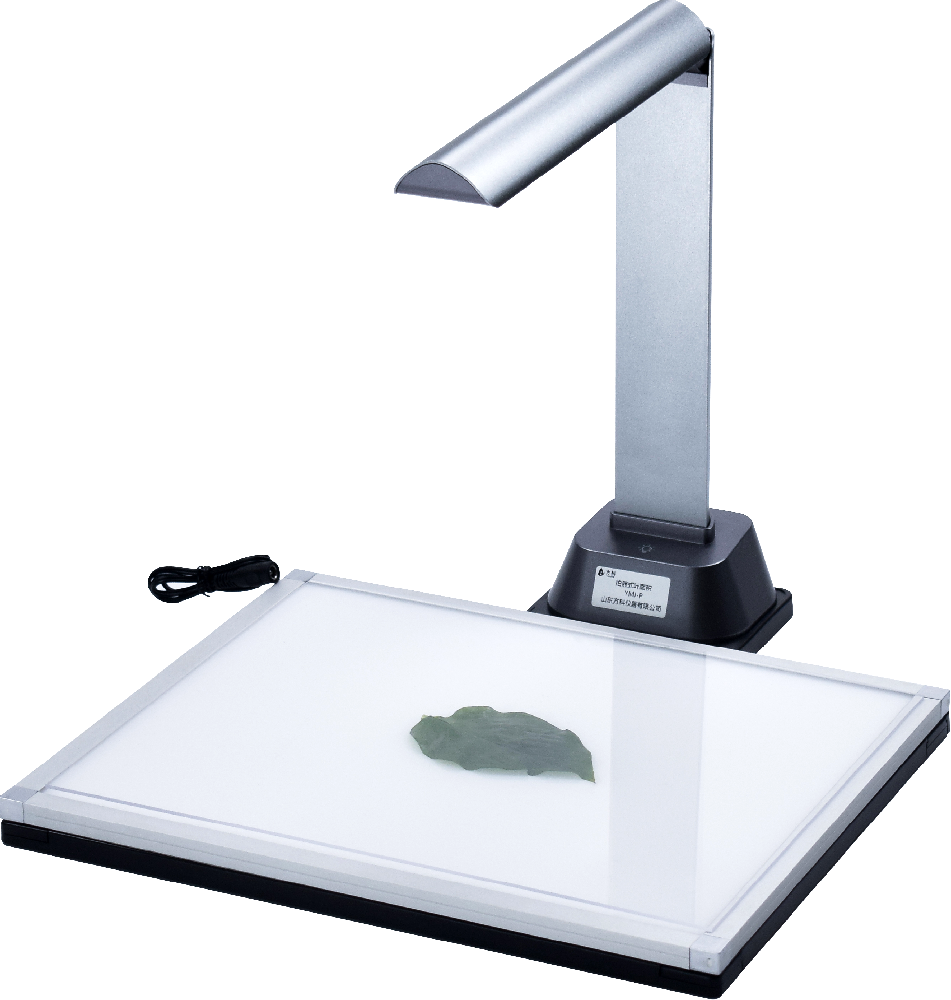
YMJ-A (basic storage) → YMJ-B (+ export) → YMJ-S (+ battery & lightweight) → YT-YMJ03 (+ GPS + 4G + dual batteries) → YMJ-P2 (+ image measurement).
Functions and cost increase gradually; users select by budget and needs without overspending.
【Product Function Questions】
Q1: How does microcomputer technology improve stability?
Microcomputer control manages sensors and calculations with high anti-interference, fast response, and stable accurate data. It automatically compensates for drift for good repeatability. Compared with traditional circuits, it delivers higher precision, speed, and reliability — standard on all Yuntang meters.
Q2: What advantages does Type-C offer over older interfaces?
Reversible, fast, durable, compatible, and widely available. It improves data experience and simplifies maintenance — standard on mid-to-high Yuntang models as a modern portable connector.
Q3: What is the value of cloud-platform online data analysis?
Real-time viewing, historical tracking, line charts, multi-format display, online export and printing without PC software. Remote data management generates reports for research and production, maximizing data value digitally.
Q4: Why is non-destructive measurement important for plant monitoring?
It allows repeated tracking on the same leaf without harm, reflecting real growth for long-term studies, breeding, and ecology. Traditional destructive methods prevent continuous monitoring — non-destructive is a modern advantage.
Q5: How does low-voltage display ensure continuous operation?
Real-time power monitoring and early alerts allow planned charging or swaps to avoid sudden shutdown. It protects data and workflow in the field, improving reliability and efficiency.
Q6: How are combined area, length, and width used?
Simultaneous measurement fully describes leaf morphology to support indices, breeding, fertilization, and growth evaluation. Single parameters are insufficient; multi-parameter analysis enables deeper research and production decisions.
【Operation Questions】
Q1: What is the first-use process after unboxing?
Inspect accessories → charge battery → power-on self-test → calibrate → practice on a leaf → start formal measurement. Simple setup with on-screen guidance for fast deployment and initial accuracy.
Q2: How does measuring speed affect results?
Pull at a steady rate; too fast or slow causes error. The device automatically optimizes reading with stable speed. Brief training ensures consistency and accuracy with easy standardization.
Q3: How to view, delete, and clear stored data?
Enter query mode to browse records; select and delete unwanted entries; batch clear to free space. This keeps storage efficient and organized via intuitive controls.
Q4: What precautions apply to swapping external batteries outdoors?
Power off before swapping to avoid data loss; swap quickly for continuity; separate old and new batteries; resume measurement after restart. The design supports smooth battery changes for uninterrupted fieldwork.
Q5: How to adjust measurement in sunny, cloudy, humid, or hot weather?
Shade from strong sun; reduce continuous use in heat; dry leaves in humidity; shield from rain. The device tolerates wide conditions with minor operation adjustments for all-weather use.
Q6: How to switch units and set precision?
Default unit: cm². Fixed resolution 0.01 cm², accuracy ±2% — no complex settings needed. Unified standards ensure consistent, comparable, industry-compliant results.
【Maintenance Questions】
Q1: What are daily, weekly, and monthly maintenance tasks?
Daily: clean sensor, power off, store in case.
Weekly: check battery, ports, appearance; calibrate.
Monthly: deep clean, battery care, full function check, accuracy test.
Regular care preserves precision, extends life, and reduces failures.
Q2: How to maintain in high humidity and dust?
Clean more often; use desiccant; cover when idle; keep out liquids and dust. Strict protection preserves stability and life in harsh environments.
Q3: How do sensor scratches affect performance and how to prevent them?
Scratches cause unstable readings and high error and cannot be repaired on-site. Avoid hard contact; clean with soft cloths; ensure leaves are grit-free. Prevention protects accuracy.
Q4: What causes battery swelling and how to respond?
Overcharge, deep discharge, extreme temperatures, or low-quality chargers cause swelling. Stop use immediately and replace with original parts. Safe handling avoids risks and maintains runtime.
Q5: What to do if the meter gets wet or damp?
Immediately power off and disconnect power; do not restart; air dry with desiccant; seek service if needed. Do not power on, which prevents short circuits and further damage.
Q6: What are the core measures to extend service life?
Standard operation, regular calibration, cleaning, proper power use, moisture/shock prevention, quality accessories, and timely support. Comprehensive care maintains peak performance and greatly extends usable life.

Scan QR code on WeChat